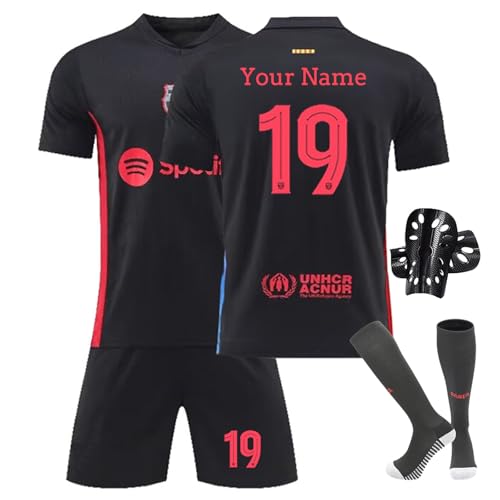
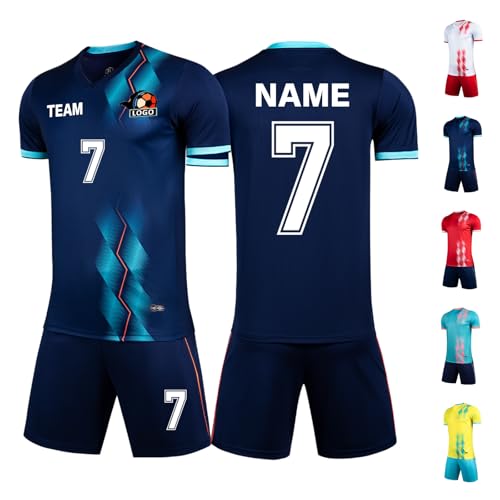
comparing classic and modern football jerseys for fans
Football jerseys have long been a key element of the sport, serving not only as uniforms for players but also as prized possessions for fans. In 2026, the divide between classic and modern jerseys is more pronounced than ever, with each style boasting its own unique appeal and characteristics. This article will explore the differences between these two styles, shedding light on what fans can expect when choosing their next football shirt.
Design Aesthetics
Classic football jerseys often feature simple and timeless designs, drawing inspiration from the iconic styles of the past. Typically made from cotton or heavier materials, these jerseys have a structured fit, which was the norm before the advent of modern sportswear technology. Common design elements include bold stripes, club crests, and minimal branding, focusing on the team’s identity rather than commercialisation.
In contrast, modern football jerseys are characterised by vibrant colours, intricate patterns, and a more tailored fit. With advancements in textile technology, these jerseys are lighter and more breathable, often incorporating moisture-wicking materials that enhance performance. Additionally, modern shirts frequently include sponsor logos, making them a canvas for commercial partnerships. While some fans appreciate the aesthetic innovation in modern designs, others yearn for the nostalgic simplicity of classic jerseys.
People Also Look For:
- England Football Jerseys for Men Sports Training Jerseys Tops Flag Team Fans Football T-Shirts White M
- Football kit for Kids/Adult 2025 Personalized Football Jerseys,Boys Soccer Training Shirts 3 Piece Set with Your Name and Number,S...
- Customize Your Own Baseball Football Jerseys Printed with Your Name Number Personalized Hockey Uniforms for Men Women Kid Youth
- Football Kit, Personalised Soccer Shirt with Name Number, 24/25 Home/Away Football Jerseys Set, Soccer Gifts for Boys and Girls (U...
- Thad Castle Jersey, #54 Mountain State Quick-Dry Breathable Football Jerseys for Men Blue White S-XXXL, White, Medium
Material and Comfort
When it comes to materials, classic jerseys are primarily crafted from cotton or polyester blends. While these materials offer comfort, they do not provide the same level of moisture management as their modern counterparts. Fans wearing classic jerseys might find themselves feeling hotter and more constrained during matches compared to those in modern jerseys.
Modern jerseys, on the other hand, utilise advanced synthetic fabrics that provide enhanced breathability and flexibility. These jerseys often feature mesh panels that allow air circulation, making them ideal for both match day and casual wear. The lightweight nature of modern shirts also means they can be worn comfortably for extended periods, whether cheering from the stands or during everyday activities.
Fit and Sizing
Fit is another significant area of difference between classic and modern jerseys. Classic jerseys typically have a looser fit, which allows for ease of movement but may not always flatter the physique. Fans often appreciate the relaxed nature of these shirts, viewing them as more traditional and authentic.
Modern jerseys are designed with a more athletic cut, often tapering at the waist to create a streamlined appearance. This fit appeals to many fans who prefer a more tailored look that aligns with current fashion trends. However, this can sometimes lead to sizing confusion, as brands may use different sizing charts. It is advisable for fans to check the specific brand's sizing guide to ensure the best fit before purchasing.
Fan Culture and Collectability
Classic football jerseys hold a unique place in the hearts of fans, representing not just a team but also a rich history. These shirts are often seen as collectibles, with certain designs becoming highly sought after by enthusiasts and collectors alike. Vintage jerseys can fetch high prices at auctions, especially if they were worn during significant matches or by legendary players.
Modern jerseys, while also collectible, tend to focus more on the latest trends and marketing campaigns. Fans often purchase the latest releases, but these jerseys may not carry the same sentimental value as classic designs. Additionally, the rapidly changing nature of modern football marketing means that previous designs can quickly become obsolete, making them less desirable in the long run. Fans looking to build a collection should consider their personal attachment to a design over mere trendiness.